
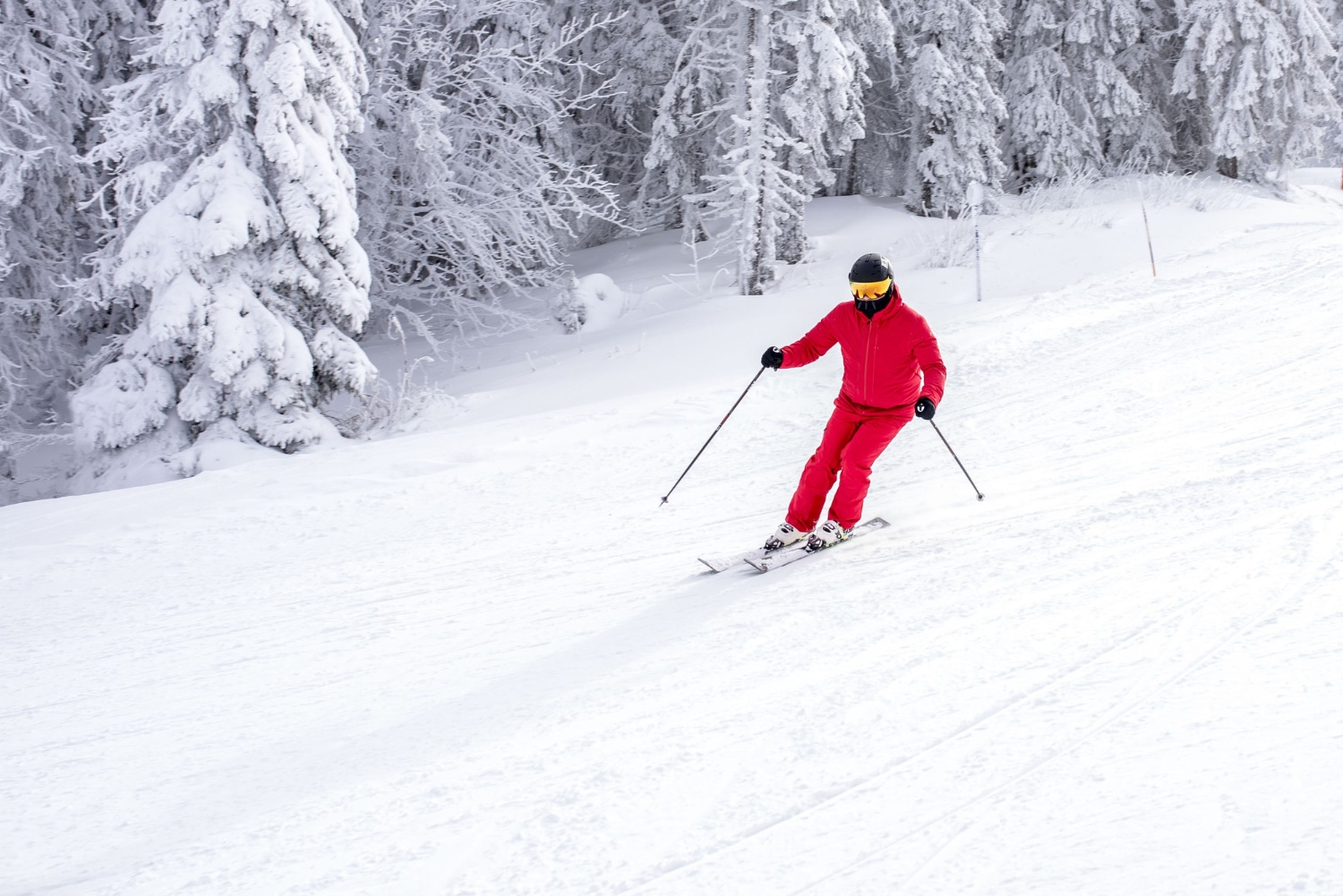
Whistler, British Columbia, is one of the world’s top ski destinations, attracting thrill-seekers from around the globe. With breathtaking scenery, extensive ski terrain, and world-class facilities, Whistler skiing offers an unforgettable experience for both beginners and advanced skiers. However, like any mountain sport, skiing comes with inherent risks. Staying safe on the slopes is crucial to ensuring an enjoyable and injury-free adventure.
In this guide, we’ll explore essential safety tips for skiing in Whistler, covering everything from equipment and weather conditions to avalanche awareness and injury prevention.
1. Choose the Right Ski Gear
Wearing the proper ski gear is the first step to staying safe while enjoying Whistler’s slopes. Well-fitted equipment not only enhances performance but also minimizes the risk of injury.
- Helmet: To prevent head injuries, always wear a helmet. Look for a helmet certified for skiing with proper ventilation and a snug fit.
- Goggles: Shield your eyes from debris, wind, and snow glare. Choose anti-fog and UV-protected goggles for clear visibility.
- Proper Ski Boots: Ill-fitting ski boots can lead to discomfort and difficulty controlling your skis. Make sure your boots fit well and provide adequate ankle support.
Layered Clothes: In the highlands, the weather can change rapidly. Wear moisture-wicking base layers, an insulated jacket, and waterproof ski pants to stay warm and dry.
2. Check Weather and Avalanche Reports
Before hitting the slopes, always check the Whistler skiing weather forecast and avalanche risk reports. Unpredictable mountain weather can create hazardous conditions such as whiteouts, extreme cold, or high winds.
- Use the Whistler Blackcomb snow report for real-time updates on snowfall, wind conditions, and temperature.
- Avoid skiing in areas with high avalanche warnings. The Canadian Avalanche Centre provides updates on snowpack stability.
- Be cautious of fog and poor visibility, which can make navigation difficult, especially on ungroomed trails.
3. Follow Trail Markings and Ski Within Your Limits
Whistler has over 200 marked trails catering to different skill levels. Always choose trails that match your experience level and follow resort markings.
- Green Circles: Easiest runs, ideal for beginners.
- Blue Squares: Intermediate trails with steeper slopes.
- Black Diamonds: Advanced and expert-only terrain with steep and technical descents.
Never attempt off-piste skiing unless you are trained in backcountry safety. Many accidents occur when skiers venture into unmarked or closed areas without proper knowledge.
4. Ski with a Buddy and Stay in Sight of Others
Skiing alone increases the risk of getting lost or stranded in case of an accident. Always ski with a friend or in a group, especially in remote areas.
- If skiing alone, inform someone of your planned route and estimated return time.
- Stay within sight of other skiers to ensure help is nearby if needed.
- Use ski resort emergency contact numbers in case of an accident.
5. Be Aware of Other Skiers and Snowboarders
Crowded slopes require extra caution to avoid collisions. Follow the Skier Responsibility Code to ensure safety:
- Yield to skiers downhill: The person ahead has the right of way.
- Look uphill before merging: Always check for oncoming skiers before entering a trail.
- Maintain control: Adjust your speed to conditions and your skill level.
- Avoid stopping in blind spots: Never stop in the middle of a trail or behind a curve where others can’t see you.
By being aware of your surroundings and practicing good skiing etiquette, you can reduce the risk of accidents.
6. Stay Hydrated and Take Breaks
Skiing is physically demanding, and dehydration can lead to fatigue, dizziness, and reduced concentration.
- Drink water regularly throughout the day, even if you don’t feel thirsty.
- Take breaks in the lodge to rest your muscles and warm up.
- Avoid alcohol consumption while skiing, as it impairs coordination and increases injury risk.
7. Prepare for Emergencies
Even the most experienced skiers can face unexpected challenges. Knowing what to do in an emergency can make a significant difference in safety.
- Carry a small first aid kit with essentials like bandages, pain relievers, and hand warmers.
- Have a whistle or a phone with GPS tracking in case you need to call for help.
- Know the ski patrol number at Whistler Blackcomb and how to reach them in case of an accident.
8. Understand Avalanche Safety for Backcountry Skiing
For those planning to explore Whistler’s backcountry skiing, avalanche awareness is essential.
- Take an avalanche safety course before venturing beyond resort boundaries.
- Carry proper avalanche gear, including a beacon, probe, and shovel.
- Ski with experienced backcountry guides who understand the terrain and risks.
Avalanche accidents can be fatal, so never take unnecessary risks when venturing off-piste.
9. Know When to Call It a Day
Fatigue is one of the leading causes of ski-related injuries. If you’re feeling tired, take a break or call it a day to prevent accidents.
- Listen to your body—if your legs feel weak, your reaction time is slower, and you’re making mistakes, it’s time to stop.
- Check the time—skiing late in the afternoon when the sun is setting can lead to decreased visibility and increased risk.
- End on a good note—it’s better to leave the slopes feeling strong rather than pushing yourself too far.
Final Thoughts
Whistler skiing offers an exhilarating and unforgettable experience, but safety should always come first. By following these essential tips—choosing the right gear, checking conditions, skiing within your limits, and staying aware of your surroundings—you can minimize risks and fully enjoy your time on the slopes.
Whether you’re carving down Whistler Blackcomb’s groomed runs or venturing into powder-filled backcountry terrain, preparation and caution are key to having a safe and fun ski trip.
🏔️ Ready for your Whistler adventure? Gear up, stay safe, and enjoy the ride! Contact Now!