
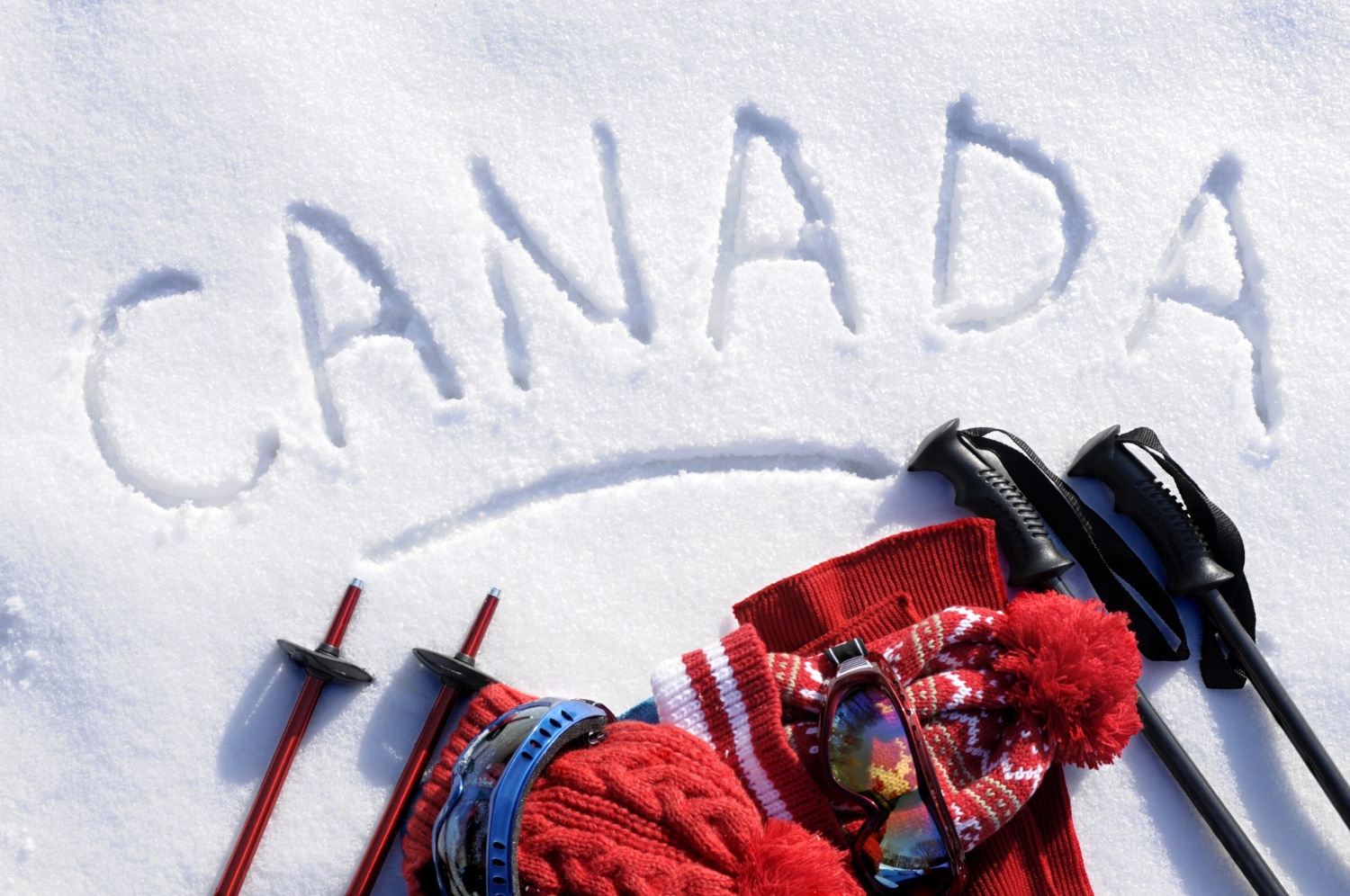
Canada is globally renowned for its majestic mountain ranges, deep powder, and some of the most iconic ski resorts in the world. With destinations like Whistler Blackcomb, Banff, and Mont Tremblant attracting skiers from across the globe, many people planning a winter getaway often wonder: Is it expensive to ski in Canada?
The short answer is—it depends. Skiing in Canada can range from luxurious to budget-friendly, depending on how you plan your trip, where you go, and the kind of experience you’re after. In this blog, we’ll explore the different factors that influence the cost and how you can enjoy Canadian skiing without breaking the bank.
1. Lift Tickets: The Main Cost Factor
One of the most significant expenses when skiing is the lift ticket. Prices vary widely depending on the resort, time of year, and how early you book. For instance:
- Whistler Blackcomb: One of the most popular resorts, lift tickets can range from CAD $140 to $180 per day during peak season.
- Banff & Lake Louise: Offers a SkiBig3 pass which is slightly more affordable, typically between CAD $120 to $150 per day.
- Smaller Resorts: Places like Fernie, Red Mountain, or Mont-Sainte-Anne can have day passes starting at CAD $70 to $100.
Booking in advance or purchasing multi-day passes often provides significant savings. Some resorts also offer season passes or special midweek rates for added value.
2. Accommodation: From Luxury to Budget
Another major cost factor is where you choose to stay. Canada’s ski resorts offer a wide range of lodging options, from luxury ski-in/ski-out hotels to cozy cabins and budget-friendly hostels.
- Luxury Resorts: Expect to pay CAD $300–$800 per night for premium hotels near slopes like Fairmont Château Lake Louise or Four Seasons Whistler.
- Mid-Range Options: Hotels and vacation rentals away from the main resort areas usually cost between CAD $150–$250 per night.
- Budget Lodging: Hostels, motels, and shared accommodations can be found for as low as CAD $40–$100 per night, especially in smaller towns.
Tip: Booking early and avoiding major holidays like Christmas and New Year can save you a significant amount on lodging.
3. Gear Rental and Lessons
If you’re not bringing your own gear, rentals are another essential expense. Most resorts have on-site rental shops offering skis, snowboards, boots, and helmets.
- Equipment Rental: A full-day rental package typically costs between CAD $40–$60.
- Lessons: Group lessons range from CAD $70–$150 per session, while private lessons can cost upwards of CAD $400 per day.
For beginners, investing in a lesson can improve your experience and reduce the risk of injury.
4. Dining and Entertainment
Ski resort towns are known for their après-ski scenes, offering everything from gourmet restaurants to lively bars. Dining costs can add up if you eat out for every meal.
- Casual Meals: Expect to spend around CAD $15–$25 per person at cafes or fast-casual spots.
- Fine Dining: High-end restaurants can cost CAD $50–$100+ per person.
- Groceries: Renting accommodations with kitchens allows you to prepare your own meals and save significantly.
Many resorts also offer free or low-cost entertainment such as ice skating, snowshoeing, and local events during the winter season.
5. Travel and Transportation
Getting to the resort is another cost to factor in. While Canada has several airports near ski towns, transportation from the airport to the mountain can vary.
- Flights: Major airports like Vancouver, Calgary, and Montreal serve ski regions. Flight prices will depend on where you’re flying from and when you book.
- Shuttle Services: Expect to pay CAD $40–$80 one way for shuttle buses from airports to the resort.
- Car Rentals: Renting a car can cost CAD $50–$100 per day, but it offers flexibility and access to multiple resorts.
Is It Worth the Cost?
While skiing in Canada can be expensive, it offers incredible value in terms of scenery, snow quality, and overall experience. Canadian resorts are known for their well-groomed runs, friendly locals, and breathtaking natural beauty.
There are also ways to make your trip more affordable:
- Travel during shoulder seasons (late November or early April)
- Book in advance and bundle lift tickets with lodging
- Choose smaller or less commercialized resorts
- Look for group or student discounts
Conclusion
So, is it expensive to ski in Canada? It can be—but it doesn’t have to be. Whether you’re a luxury traveler or a savvy budget explorer, there’s a Canadian ski experience that suits your style and wallet. With a little planning and flexibility, you can carve your way through world-class slopes without draining your savings.
Ready to hit the Canadian slopes? Start planning your adventure today and find the resort that fits both your thrill and your budget.