
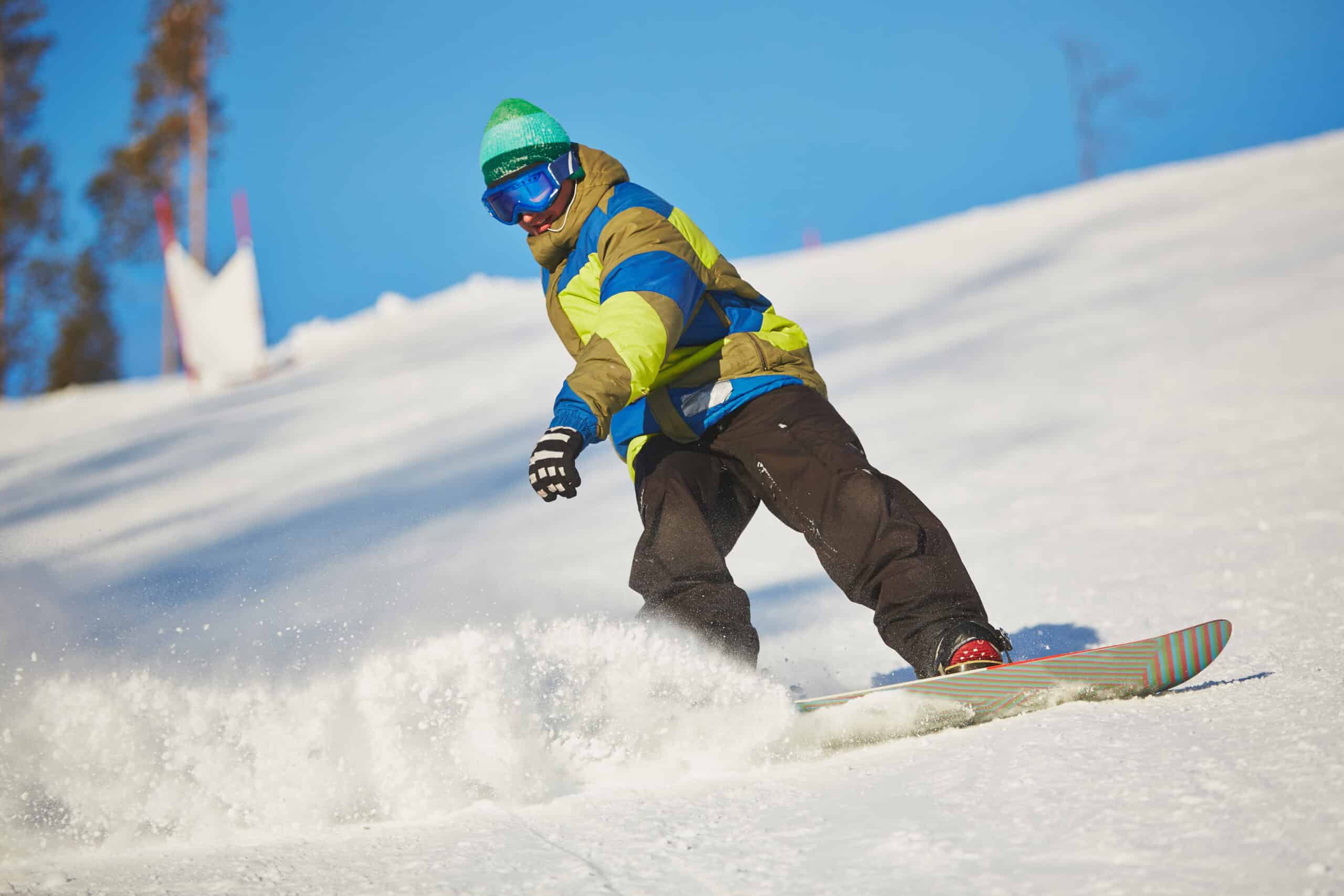
Aspen is one of the most iconic snowboarding destinations in the world, attracting riders of all skill levels with its breathtaking landscapes, powder-filled slopes, and world-class resorts. However, while snowboarding in Aspen offers an unforgettable experience, safety should always be a top priority. The high-altitude conditions, changing weather, and challenging terrain require careful preparation and awareness.
Whether you’re a beginner or an experienced rider, following essential safety guidelines can help you enjoy your trip while minimizing risks. In this guide, we’ll cover key safety tips to ensure a fun and accident-free snowboarding adventure in Aspen.
1. Wear the Right Snowboarding Gear
Having the proper gear is crucial for both performance and safety when snowboarding in Aspen. Here are the essentials you should never hit the slopes without:
Protective Equipment:
- Helmet: Protects against head injuries in case of falls or collisions.
- Goggles: Essential for visibility in snowy and sunny conditions, protecting your eyes from wind, UV rays, and flying debris.
- Wrist Guards: Helps prevent wrist fractures, which are common in snowboarding falls.
- Padded Shorts & Knee Pads: Reduce impact injuries when landing or falling.
Clothing:
- Layering is Key: Wear a moisture-wicking base layer, an insulating mid-layer, and a waterproof outer shell. This keeps you warm and dry throughout the day.
- Gloves: Waterproof and insulated gloves keep your hands warm and protected.
- Snowboarding Boots: Ensure your boots fit properly and provide ankle support. Poorly fitted boots can lead to discomfort and injuries.
2. Know Aspen’s Terrain and Weather Conditions
Aspen offers a variety of slopes for all skill levels, but understanding the terrain and checking weather conditions before riding is essential for safety.
Familiarize Yourself with the Slopes:
- Beginner Slopes (Green Circle): Ideal for those just starting out. These trails are gentle and perfect for learning.
- Intermediate Slopes (Blue Square): Suitable for snowboarders with some experience looking for more challenge.
- Advanced Slopes (Black Diamond & Double Black Diamond): Steep and demanding runs designed for expert riders only.
Always start on a trail that matches your skill level and gradually progress to more challenging terrain.
Check Weather Reports:
- High Winds: Can make riding difficult and increase the risk of losing control.
- Heavy Snowfall: Reduces visibility and can create avalanche risks.
- Icy Conditions: Increase the likelihood of falls and injuries.
Before heading out, check Aspen’s live weather updates to ensure safe riding conditions.
3. Warm-Up and Stretch Before Riding
Snowboarding requires flexibility, balance, and strength. A proper warm-up reduces the risk of muscle strains and injuries.
Best Warm-Up Exercises for Snowboarding:
- Leg Swings: Helps loosen up your hips and legs.
- Squats: Strengthens leg muscles for better balance and control.
- Arm Circles: Prepares your shoulders and upper body for movement.
- Torso Twists: Improves flexibility and coordination.
Stretching before and after snowboarding also helps prevent stiffness and soreness.
4. Follow Snowboarding Etiquette and Slope Rules
Aspen’s ski resorts have rules in place to ensure the safety of all riders. Following proper snowboarding etiquette not only keeps you safe but also helps prevent accidents with others on the slopes.
Essential Slope Etiquette:
- Yield to Riders Below You: Those ahead of you have the right of way. Always be aware of your surroundings.
- Avoid Sudden Stops in the Middle of Trails: If you need to stop, move to the side to avoid blocking other riders.
- Control Your Speed: Ride within your ability level to maintain control and prevent collisions.
- Use Proper Lift Procedures: Follow guidelines when getting on and off ski lifts to avoid accidents.
- Respect Closed Trails: These areas are closed for a reason—often due to dangerous conditions or avalanche risks.
Being respectful and following these rules makes snowboarding in Aspen a safer and more enjoyable experience for everyone.
5. Stay Hydrated and Take Breaks
Snowboarding at Aspen’s high altitude (around 8,000 feet) can quickly lead to dehydration and fatigue if you’re not careful.
Hydration and Nutrition Tips:
- Drink Water Regularly: Cold weather can make you less aware of dehydration, so drink water frequently.
- Eat Nutritious Snacks: High-energy foods like protein bars, nuts, and fruit help maintain stamina.
- Listen to Your Body: If you start feeling dizzy, lightheaded, or fatigued, take a break immediately.
Resting between runs helps maintain your energy and prevents exhaustion, which can lead to poor judgment and accidents.
6. Be Aware of Avalanche Risks
Although Aspen’s ski resorts manage avalanche risks well, off-piste or backcountry snowboarding poses higher dangers. If you plan to explore beyond designated trails, follow avalanche safety precautions.
Avalanche Safety Tips:
- Check Avalanche Forecasts: Always review daily avalanche reports before heading out.
- Carry Avalanche Gear: Essential equipment includes a beacon, probe, and shovel.
- Ride with a Partner: Never snowboard in backcountry areas alone.
- Stay on Marked Trails: Unless you have backcountry experience, stick to designated areas for safety.
If you’re new to off-piste riding, consider hiring a professional guide who understands the terrain and safety protocols.
7. Know What to Do in Case of an Emergency
Even with precautions, accidents can happen. Being prepared ensures you can react quickly and effectively.
Emergency Preparedness Tips:
- Save Emergency Contacts: Aspen ski resorts have patrol services—know the emergency number to call for help.
- Learn Basic First Aid: Knowing how to handle minor injuries like sprains or cuts can be valuable.
- Wear an ID or Emergency Info Card: Include details like allergies, medical conditions, and emergency contacts.
Resort staff and ski patrol teams are always ready to assist in emergencies, so don’t hesitate to seek help if needed.
Conclusion
Snowboarding in Aspen is an exhilarating experience, but staying safe should always be your top priority. Wearing the right gear, understanding the terrain, following slope etiquette, staying hydrated, and being aware of avalanche risks all contribute to a safer and more enjoyable ride.
By taking these precautions, you can fully enjoy Aspen’s incredible slopes while minimizing risks. Whether you’re a beginner or a seasoned snowboarder, safety should always come first—because the best adventures are the ones you can enjoy to the fullest!
Are you planning your next snowboarding trip to Aspen? Share your experiences and safety tips in the comments below!